Preparing for Nyepi 2026: A Traveler's Guide to Bali's Day of Silence
Welcome to Drishti Journeys, your gateway to profound and mindful travel experiences! Today, we're diving deep into one of Bali's most unique and revered traditions: Nyepi, the Balinese Day of Silence. If you're planning to visit Bali around March 2026, understanding and preparing for Nyepi is absolutely essential.
It's not just a public holiday; it's a spiritual reset button for the entire island, and for travelers, it offers a rare opportunity for introspection and a glimpse into the rich Balinese culture.
In this comprehensive guide, we'll cover everything you need to know about Nyepi 2026 – from its significance and the elaborate preparations that precede it, to the crucial do's and don'ts that every visitor must respect. Let's embark on this journey of cultural understanding together.

Understanding the Essence of Nyepi
Nyepi is the Balinese Hindu New Year, determined by the Saka calendar. It falls on the day following the new moon of the ninth lunar month (Sasih Kasanga). In 2026, Nyepi falls on Thursday, March 19th.
While many cultures welcome the New Year with boisterous celebrations, fireworks, and parties, Bali takes a dramatically different approach. Nyepi is a day entirely dedicated to self-reflection, meditation, and spiritual cleansing. The belief is that by completely quietening the island, the Balinese people can trick evil spirits into believing that Bali is deserted, prompting them to leave and allowing for a fresh, peaceful start to the new year.
This period of silence isn't just a suggestion; it's a strictly enforced religious observance that impacts every facet of life on the island. For 24 hours, from 6:00 AM on Nyepi day until 6:00 AM the following morning, the entire island of Bali effectively shuts down.
Pre-Nyepi: The Vibrant Melasti Rituals and Ogoh-Ogoh Parade
The days leading up to Nyepi are far from silent. They are filled with color, music, and elaborate rituals that are essential to the spiritual purification process. As a traveler, witnessing these preparations is a spectacular and deeply moving experience.
Melasti Rituals
(2-3 Days Before Nyepi):
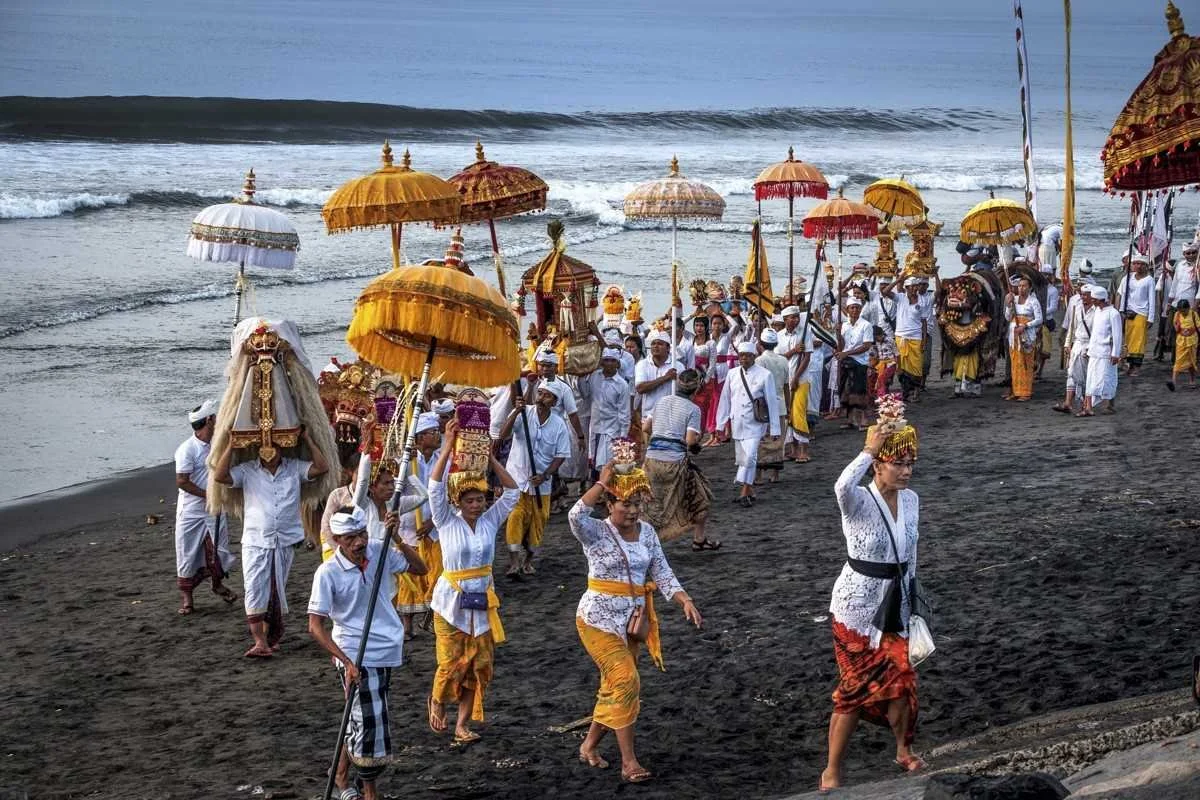
The preparation begins with Melasti, a grand purification ceremony. Thousands of Balinese Hindus, dressed immaculately in traditional attire, join processions from their village temples towards sources of water – the sea, lakes, or holy springs.
Imagine long streams of people carrying sacred temple objects ( pratima and barong figures) on their shoulders, accompanied by the hypnotic rhythms of gamelan orchestras. The atmosphere is solemn yet vibrant. At the water's edge, elaborate ceremonies are held to cleanse these sacred objects and the souls of the devotees with holy water and sea water. Witnessing a Melasti procession is a true highlight of visiting Bali during this time.
Pengerupukan and the Ogoh-Ogoh Parade
(The Eve of Nyepi):
This is perhaps the most visually striking pre-Nyepi event.
Pengerupukan is observed on the day before Nyepi, which would be Wednesday, March 18th, 2026.
This day is dedicated to exorcising evil spirits from villages and homes.
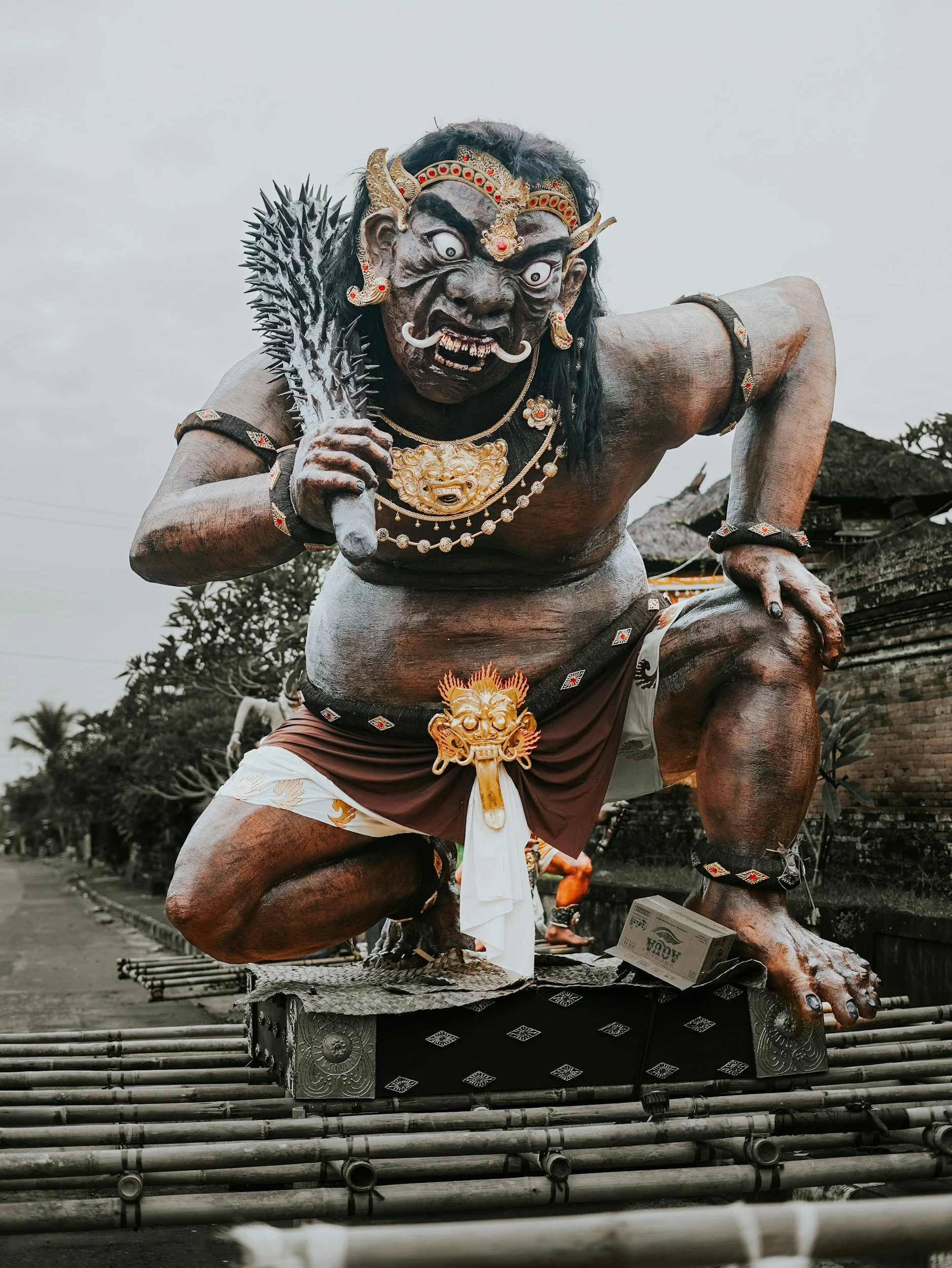
The centerpiece of Pengerupukan is the creation of Ogoh-Ogoh. For weeks leading up to this day, Balinese youth from each banjar (community group) work tirelessly to build massive, grotesque, and often satirical statues representing mythological demons (Bhuta Kala), evil entities, or even negative aspects of modern society. These intricate structures are made from bamboo, papier-mâché, wood, and styrofoam, and they are incredibly detailed and brightly painted.
As dusk falls, the Ogoh-Ogoh parades begin. Across Bali, in every village and town square, these giant effigies are paraded through the streets on bamboo litters, carried by dozens of strong young men. The atmosphere is electric – the beating of gamelan gongs and cymbals becomes wild and frenetic, torches flare, and onlookers cheer. The idea is to make as much noise and chaos as possible to rouse the evil spirits.
The processions often feature theatrical dances and dramatic displays. The carriers shake, tilt, and spin the Ogoh-Ogoh, making them appear to come alive and fight. After the parade, traditionally, the Ogoh-Ogoh are taken to the cemetery (Pura Dalem) or cross-roads and symbolically burnt to cleanse the environment of the banished spirits (though some intricate ones are preserved as art or sold). Witnessing an Ogoh-Ogoh parade is an unforgettable spectacle of creativity, community spirit, and primal energy.
Preparing for Nyepi Day: The Traveler's Checklist
The main event – Nyepi itself – requires careful planning for visitors. Because the island's infrastructure is significantly impacted, you need to ensure you have everything you need for the 24-hour period of silence. Here's a checklist to help you prepare:
Book Your Accommodation Wisely:
Stay In: You must stay within your hotel or villa compound for the entire duration of Nyepi. Choose your accommodation carefully. A place with comfortable facilities, a restaurant that will be operating (albeit in a limited capacity), and perhaps a library or common areas might be preferable.
Inquire About Services: When booking, explicitly ask about their operations during Nyepi. Most hotels will provide meals, but the menu might be limited. Housekeeping and room service will likely be suspended or severely reduced. Check if pools are accessible (usually yes, but quietly).
Consider Location: While the rules apply everywhere, larger hotels in tourist areas are accustomed to managing Nyepi and will often have activities arranged for guests within the property. Smaller guesthouses or villas might have less support, requiring more self-sufficiency.
2.Stock Up on Essential Supplies (By Pengerupukan Afternoon):
Food and Snacks: Shops and restaurants (outside of hotels) close by mid-afternoon on Pengerupukan day and don't reopen until the day after Nyepi. Ensure you have enough drinking water, snacks, fruit, and perhaps simple instant meals to last the 24 hours. Even if your hotel provides meals, having your own supply gives flexibility.
Medication: Have an adequate supply of any necessary prescription or over-the-counter medications (painkillers, antacids, first-aid items). Pharmacies will be closed.
Cash: Ensure you have enough local currency (Indonesian Rupiah) for the entire Nyepi period and the day after. ATMs might not be accessible or could run out of cash. Many transactions right before and after Nyepi might be cash-only.
3. Entertainment & Activities Within Your Accommodation:
No Public Entertainment: Remember, you cannot leave your premises. Plan for indoor entertainment. Bring books, download movies/shows (internet connectivity is usually cut off or severely limited island-wide, including hotel Wi-Fi and mobile data – this is a crucial point, plan for NO internet!), load up your devices with music or podcasts, or bring board games/cards.
Minimal Noise & Light: Prepare to keep noise levels down and use minimum lighting. Hotel staff will remind you of this. Having heavy curtains drawn is helpful.
4. Manage Expectations & Mindset:
Embrace the Silence: Shift your perspective. Instead of viewing Nyepi as a inconvenience, embrace it as a unique opportunity for disconnection and rest. It’s a chance to truly pause, meditate, read that book you’ve been meaning to, practice yoga privately, or connect with your travel companions without digital distractions.
Unplug Completely: Since internet access is generally suspended, view this as a rare chance for a digital detox. Inform friends/family back home that you will be unreachable for 24 hours.
The Crucial Do's and Don'ts of Nyepi for Travelers
Respecting Balinese culture is paramount, especially during Nyepi. The rules are serious, and Pecalang (traditional Balinese security guards, often dressed in black uniforms) will be patrolling streets and villages to ensure compliance. Breaking the rules can lead to significant fines or social repercussions. Here are the essential guidelines:
The DON'Ts (Absolute Prohibitions for 24 Hours):
DO NOT go out onto the streets: This is the most critical rule. You must remain within your hotel, villa compound, or guesthouse. No walking on the beach, no cycling, no jogging, no scootering, no driving. The streets belong entirely to the spirits (symbolically) and the Pecalang patrols. The international airport is also closed (no arrivals or departures for 24 hours).
DO NOT make excessive noise: Keep televisions, music, and conversations very quiet. Hotels will operate quietly. Avoid loud shouting or running within the premises. It's about maintaining an atmosphere of calm and introspection.
DO NOT use excessive or visible light: All external lights must be turned off. Use minimal light inside your room. Close heavy curtains to prevent light from spilling out. The island should look dark and uninhabited.
DO NOT demand normal services: Accept that services in hotels will be limited. Staff will likely work on a skeletal crew. Housekeeping, room service, or tour desk assistance will be unavailable or extremely limited.
DO NOT work: This aligns with the spiritual principle of Amati Karya (no activity/work). Even if you're a digital nomad, this is your mandatory day off. (And with no internet, working might be challenging anyway!)
DO NOT engage in pleasurable activities (symbolically): While you can't be stopped from eating, the principle of Amati Lelungan (no travel/pleasure trips) extends to simple pastimes. While reading or simple yoga is acceptable within your space, engaging in elaborate hobbies or games is traditionally discouraged. The spirit is about simplicity and internal focus.
The DO's (Respectful Practices):
DO plan and stock up in advance: Ensure you are well-prepared with all necessary items by Wednesday afternoon (March 18th, 2026).
DO inform your loved ones: Let friends and family know about Nyepi and that you will be disconnected from the internet for at least 24 hours, so they don't worry.
DO be respectful of your accommodation's rules: Follow the instructions provided by your hotel or host. They are ensuring the rules are met within their property.
DO use the time for reflection and rest: Seize this unique opportunity. Meditate, practice mindfulness, write in a journal, read, or simply enjoy the profound silence. Many travelers find this to be a transformative experience.
DO appreciate the night sky (if clear): Because of the minimal light pollution island-wide, a clear Nyepi night offers a spectacular view of the Milky Way and stars. It's often one of the best stargazing nights of the year in Bali. Just ensure you aren't visible outside while doing so.
DO participate respectfully in pre-Nyepi events: Observe the Melasti and Ogoh-Ogoh parades, but do so respectfully. Ask before taking close-up photos of individuals, dress modestly (shoulders and knees covered), and don't obstruct the processions.
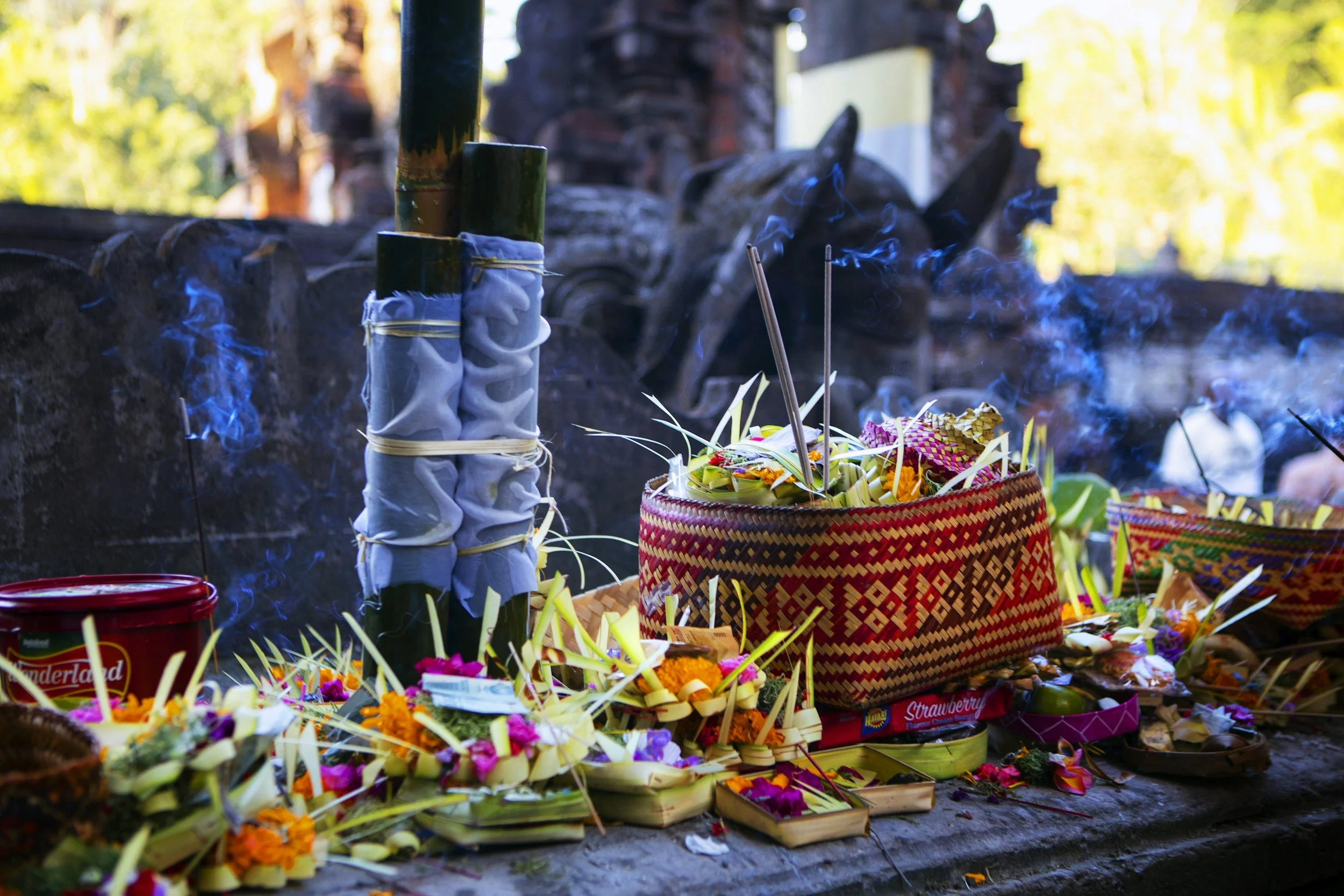
DO enjoy Ngembak Geni (The Day After): On the day after Nyepi (Friday, March 20th, 2026), the silence breaks. This day, known as Ngembak Geni, is a joyful time to visit family and friends, exchange apologies, and start fresh. Shops and restaurants will gradually reopen, and normal life will resume. It’s a beautiful contrast to the stillness of the day before.
Ngembak Geni:
When the Silence Ends
The dawn after Nyepi brings Ngembak Geni. The streets come alive again, businesses reopen, and the quiet introspection is replaced by social connection. Traditionally, Balinese people visit their relatives and neighbors, asking for forgiveness for past mistakes and offering blessings for the new year. For travelers, it's a day to venture out again, perhaps explore the now-'cleansed' island, share stories of their Nyepi experience, and embrace the sense of renewal.
At Drishti Journeys, we believe that the most profound travel experiences are those that invite us to look inward as much as we look outward. Witnessing and participating respectfully in a powerful tradition like Nyepi perfectly aligns with our philosophy of mindful, immersive presence. It is a rare moment in our modern world where an entire society collectively decides to pause, breathe, and reset.
While Nyepi requires us to step back from our usual travel itineraries, it offers a different kind of journey—one of stillness and cultural immersion. We encourage you to use this time to integrate the principles of the Day of Silence into your own practice, whether through meditation, gentle yoga, or the simple joy of being "unplugged." By honoring this sacred Balinese tradition, we don’t just observe a culture; we learn from it. Let the profound silence of Nyepi 2026 be a catalyst for your own inner clarity and a reminder of the beauty found in quiet moments.
Nyepi in Bali is more than just a closed airport and silent streets; it is a powerful testament to a vibrant living culture and its dedication to spiritual harmony. While it requires travelers to adapt and plan, the rewards of participating respectfully are immense. Embrace the stunning contrast between the fiery pre-Nyepi chaos and the deep stillness of the Day of Silence. It offers a unique perspective, a chance for genuine rest, and an opportunity to witness Bali at its most authentic and spiritually profound. Prepare mindfully, respect the traditions, and Nyepi 2026 will undoubtedly become a highlight of your Balinese adventure.