The Ultimate Foodie Guide to Terschelling Island: Top 10 Local Delicacies
Terschelling, one of the beautiful Frisian Islands in the Netherlands, is not just a haven for nature lovers and peace seekers; it's also a surprisingly rich culinary destination. While it might not boast Michelin-starred restaurants on every corner, the island offers a unique gastronomic experience deeply rooted in its natural landscape, local produce, and a strong sense of community. From freshly caught seafood to traditional Dutch treats and innovative dishes made with island-grown ingredients, Terschelling's food scene is a delightful exploration for any foodie.
The Bountiful Sea: A Seafood Lover's Paradise
Given its island status, it’s no surprise that seafood plays a starring role in Terschelling’s cuisine. The Wadden Sea, a UNESCO World Heritage site that surrounds the island, is an incredibly rich ecosystem, providing a continuous supply of fresh fish and shellfish.
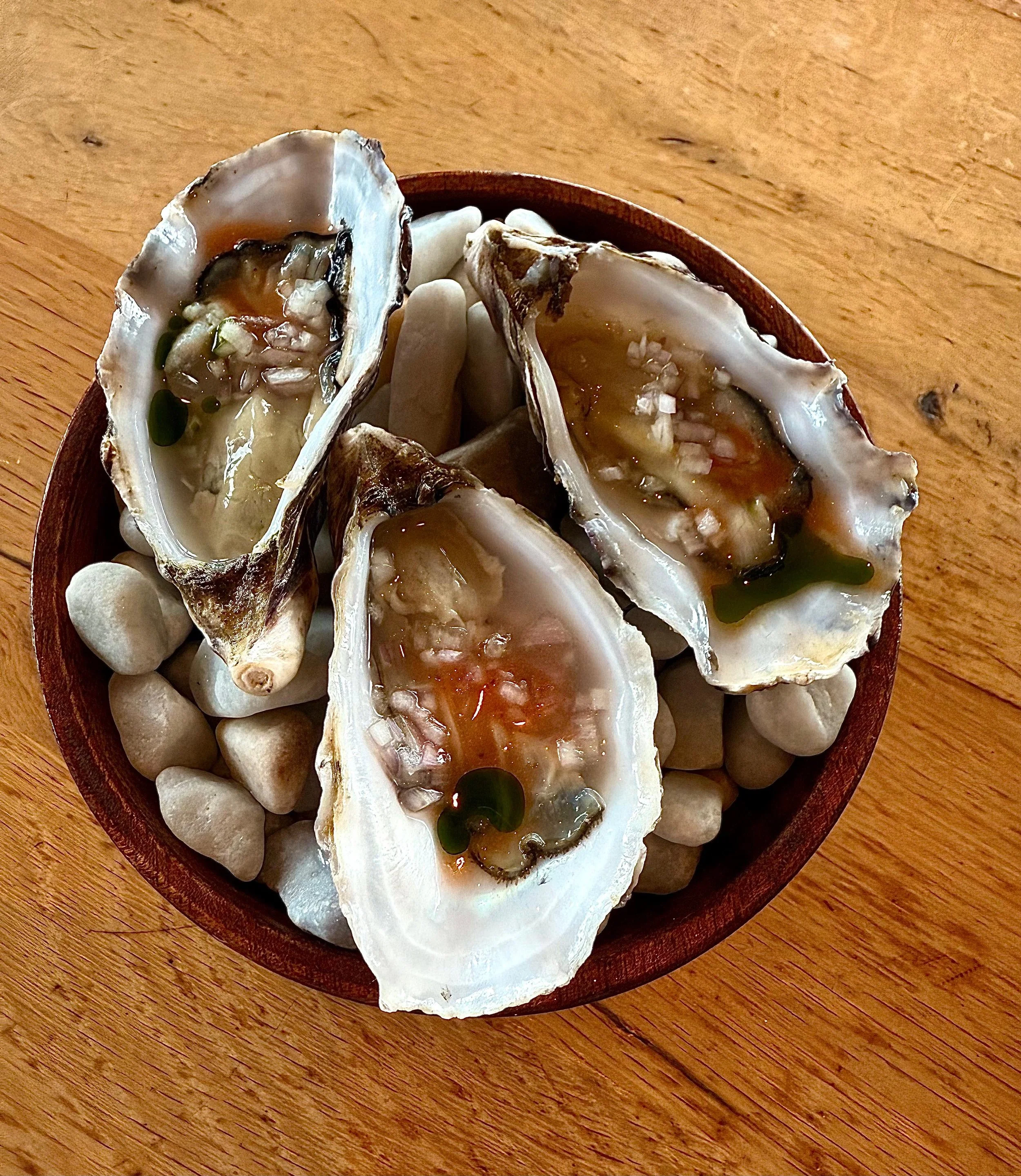
Terschelling Oysters: While perhaps less famous than their Zeeland counterparts, Terschelling oysters are a true delicacy. Grown in the pristine waters of the Wadden Sea, these oysters have a distinct briny, fresh flavor that reflects their natural habitat. You can often find them at local markets, fishmongers, and in many of the island's restaurants. Enjoy them raw with a squeeze of lemon, or perhaps lightly grilled with a touch of garlic butter for a truly indulgent experience. The season for wild oysters typically runs from September to April, offering a fantastic treat for autumn and winter visitors.
Fresh Fish: From sole and cod to plaice and herring, the local catches are abundant. Many restaurants on the island pride themselves on serving "catch of the day," ensuring the freshest possible meal.
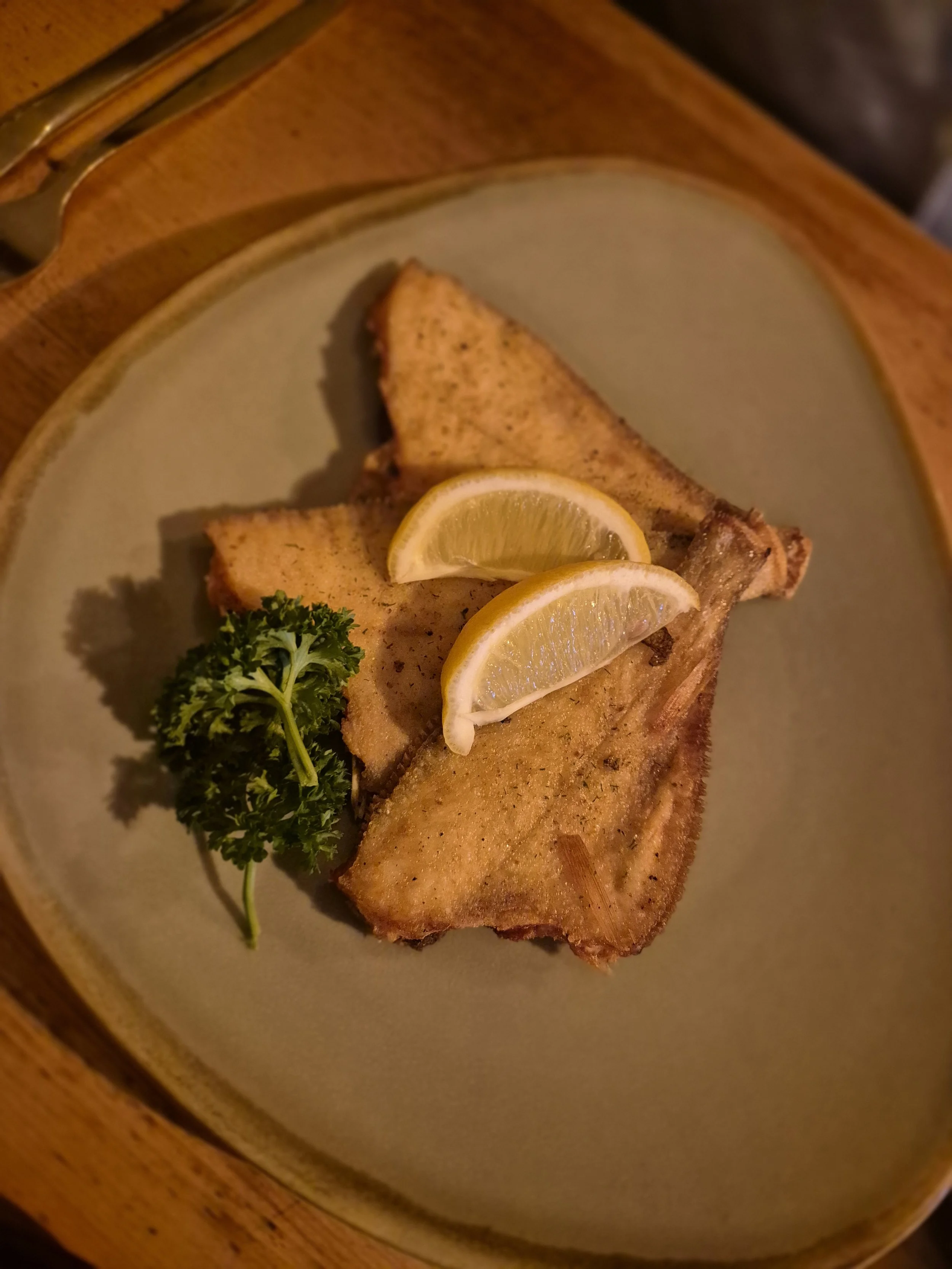
Sole (Tong): This delicate white fish is a staple in Dutch cuisine and is often pan-fried until golden and crispy. It’s simple, elegant, and allows the natural flavor of the fish to shine through.
Plaice (Schol): Another popular flatfish, plaice is versatile and delicious, whether baked, fried, or even smoked.
Herring (Haring): A quintessential Dutch experience is trying "nieuwe haring" (new herring) in spring, served raw with onions and pickles. While available throughout the Netherlands, enjoying it with the salty sea air on Terschelling adds to the authenticity.
Mackerel (Makreel): Often smoked on the island, smoked mackerel has a rich, oily flavor that is fantastic in salads, on sandwiches, or simply on its own.
Cod (Kabeljauw): A robust white fish, cod is used in various preparations, from classic baked dishes to hearty stews.
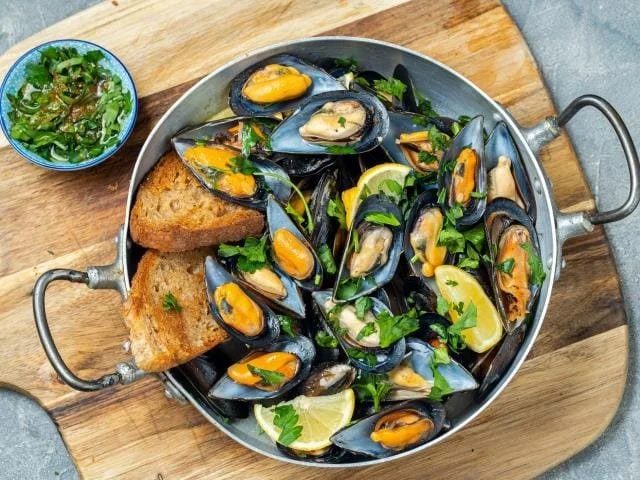
Mussels (Mosselen): While most mussels in the Netherlands come from Zeeland, they are a hugely popular dish on Terschelling, especially during the summer months. Steamed in white wine with vegetables, served with fries and various sauces, a pot of mussels is a communal and satisfying meal.
Shrimp (Garnalen): Small, sweet grey shrimp are a local specialty. Often caught by small fishing boats, these delicate crustaceans are delicious peeled and eaten fresh, or used in classic Dutch shrimp croquettes (garnalenkroketten), a crispy, creamy delight.
Terschelling's Terroir: Products of the Land
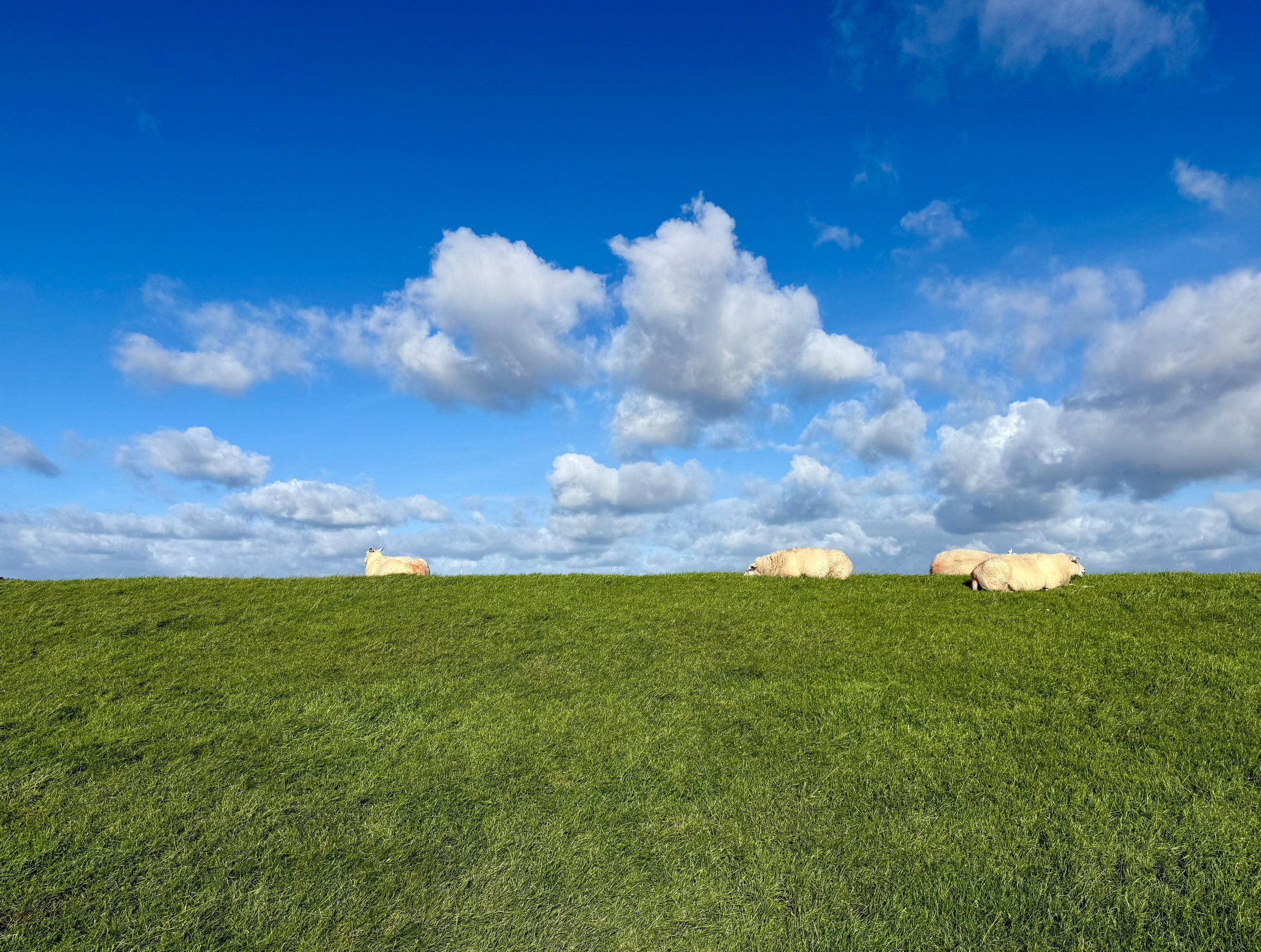
Resting Sheeps
Beyond the sea, Terschelling’s unique landscape—a mix of dunes, polders, and heathland—contributes to a surprising array of agricultural products. The island has a long history of farming, adapting to the salty air and sandy soil.
Cranberries (Cranberry's): Terschelling is famous for its cranberries. Legend has it that a barrel of cranberries washed ashore in the mid-19th century, and the berries took root in the acidic dune soil. Today, large cranberry fields are a distinctive feature of the island's landscape. These tart berries are used in a myriad of products:
Cranberry Jam and Chutney: Perfect with cheese or meat dishes.
Cranberry Juice and Syrup: Refreshing and healthy.
Cranberry Liqueur: A sweet and tangy alcoholic treat, often enjoyed as a digestif.
Cranberry Bread and Pastries: Many bakeries incorporate cranberries into their goods.
Fresh Cranberries: Available during the harvest season (typically late August to October), you can pick your own or buy them fresh from local shops.
Cranberry wine: Some local producers also experiment with cranberry wine, offering a unique taste of the island.
Lamb: The salt marshes and meadows of Terschelling provide excellent grazing for sheep. Terschelling lamb is renowned for its tender texture and slightly salty, herbaceous flavor, a result of the sheep feeding on grasses infused with sea salt. You’ll find lamb on the menu in various forms, from succulent chops and roasts to hearty stews. The lamb often has a distinct, less gamey flavor compared to inland lamb, which is highly prized by connoisseurs.
Dairy Products: Small-scale dairy farming still exists on Terschelling, producing fresh milk, butter, and cheese. Look out for local farm cheeses, which often have a unique character influenced by the island's pastures. Some farms offer direct sales, providing a chance to taste the freshest produce.
Honey (Honing): Terschelling's diverse flora, including heather and various wildflowers, provides excellent foraging for bees. Local honey is a delicious and natural product, with distinct flavors depending on the season and the dominant flowers. It’s perfect for breakfast, in tea, or as a natural sweetener.
Local Vegetables and Herbs: While large-scale agriculture is limited, many restaurants and some families grow their own vegetables and herbs. You might find wild sea vegetables like samphire or sea lavender growing along the coast, which foragers collect to add a unique salty crunch to dishes.
Traditional Dutch and Terschelling Delights
Beyond the island-specific produce, Terschelling also embraces classic Dutch culinary traditions, often with a local twist.
Poffertjes and Stroopwafels: These iconic Dutch treats are readily available. Poffertjes are small, fluffy pancakes served with butter and powdered sugar, while stroopwafels are thin waffles with a caramel syrup filling. Perfect for a sweet snack.
Fries (Patat/Friet): A ubiquitous Dutch snack, served with a variety of sauces, including mayonnaise, satay sauce, and curry ketchup. Many snack bars offer perfectly crispy fries.
Dutch Pancakes (Pannenkoeken): Larger and thinner than American pancakes, Dutch pancakes can be savory (with cheese, bacon, mushrooms) or sweet (with apple, syrup, powdered sugar).
Several pancake houses on the island offer an extensive menu.
Duindoorn (Sea Buckthorn): While not as widely cultivated as cranberries, sea buckthorn berries grow wild on Terschelling. These bright orange berries are incredibly rich in Vitamin C and have a tart, slightly sour flavor. They are used to make juices, jams, and sometimes even liqueurs, offering another unique taste of the island's wild bounty.
Dining Experiences on Terschelling
Terschelling offers a range of dining experiences, from casual beach pavilions to more upscale restaurants.
Beach Pavilions (Strandpaviljoens): Dotted along the island's beautiful coastline, these pavilions offer stunning views of the North Sea. They are perfect for a casual lunch, a hearty dinner, or just drinks as you watch the sunset. Many feature fresh seafood and local ingredients on their menus.
Popular ones include De Zandzeebar, Heartbreak Hotel, and De Branding. .
Restaurants in the Villages: Each village, particularly West-Terschelling, Midsland, and Formerum, has a selection of restaurants.
West-Terschelling: As the main town, it boasts the widest variety, from traditional Dutch eateries to more modern restaurants offering international cuisine alongside local specialties. Look for places offering the "catch of the day" and dishes featuring Terschelling lamb or cranberries.
Midsland: Known for its lively atmosphere, Midsland has several cozy restaurants and pubs, many serving classic Dutch dishes and local beers.
Formerum: Offers a more tranquil dining experience with a few charming restaurants.
Farm Shops and Local Markets: For those who enjoy cooking at home or want to take home local specialties, farm shops (boerderijwinkels) and seasonal markets are excellent resources. Here you can find fresh cranberries, honey, cheese, bread, and often homemade preserves.
The weekly market in West-Terschelling (during peak season) is a great place to sample and buy local produce.
Cafes and Tea Houses (Lunchrooms en Theetuinen): Perfect for a light lunch, coffee, or a sweet treat.
Many offer homemade cakes and sandwiches, often featuring local ingredients. Some even have beautiful gardens where you can relax.
Fritures/Snackbars: For a quick and inexpensive bite, snack bars are abundant, offering fries, kroketten, frikandellen, and other classic Dutch fast food.
A Culinary Journey Through the Seasons
The food landscape of Terschelling also shifts with the seasons, offering different highlights throughout the year.
Spring: Marks the arrival of "nieuwe haring" and the first delicate spring vegetables. Lambing season also means incredibly tender young lamb on menus. The cranberry plants begin to blossom, hinting at the harvest to come.
Summer: The peak tourist season sees beach pavilions bustling and menus heavy with fresh seafood – mussels, plaice, sole, and various white fish are abundant. Summer berries might make an appearance, and local ice cream parlors are a popular stop. Outdoor dining becomes a norm.
Autumn: This is a truly special time for Terschelling’s food scene. It’s cranberry harvest season, so expect to see an abundance of fresh cranberries and cranberry products. Wild oyster season also begins, offering a unique opportunity to taste this local delicacy. Heartier lamb dishes and game (if locally sourced) might appear on menus as the weather cools. The island’s nature provides foragers with mushrooms and wild herbs.
Winter: A quieter time, but no less delicious. Hearty stews, rich game dishes, and warming soups are perfect for the colder months. Smoked fish becomes more prominent, and restaurants focus on comforting, traditional Dutch cuisine. The cranberry liqueur and other preserved cranberry products are perfect for warming up after a brisk walk.
Sustainability and Local Sourcing
There's a growing emphasis on sustainability and local sourcing on Terschelling. Many restaurants proudly state their commitment to using island-grown and Wadden Sea-certified products. This not only supports the local economy but also ensures freshness and reduces the environmental footprint.
When you choose to dine at establishments that highlight their local ingredients, you're not just enjoying a meal; you're experiencing the authentic taste of Terschelling and supporting its unique agricultural and fishing heritage.
Conclusion
Terschelling's culinary scene is a reflection of its island identity: genuine, fresh, and deeply connected to its natural environment. It's a place where the rhythm of the tides and the changing seasons directly influence what's on your plate. From the briny kiss of a Terschelling oyster to the sweet tang of a cranberry tart, and the tender succulence of island lamb, every bite tells a story of this enchanting Frisian island. So, next time you plan a visit, come prepared not just for breathtaking landscapes but also for a delightful and authentic culinary experience. Eet smakelijk!
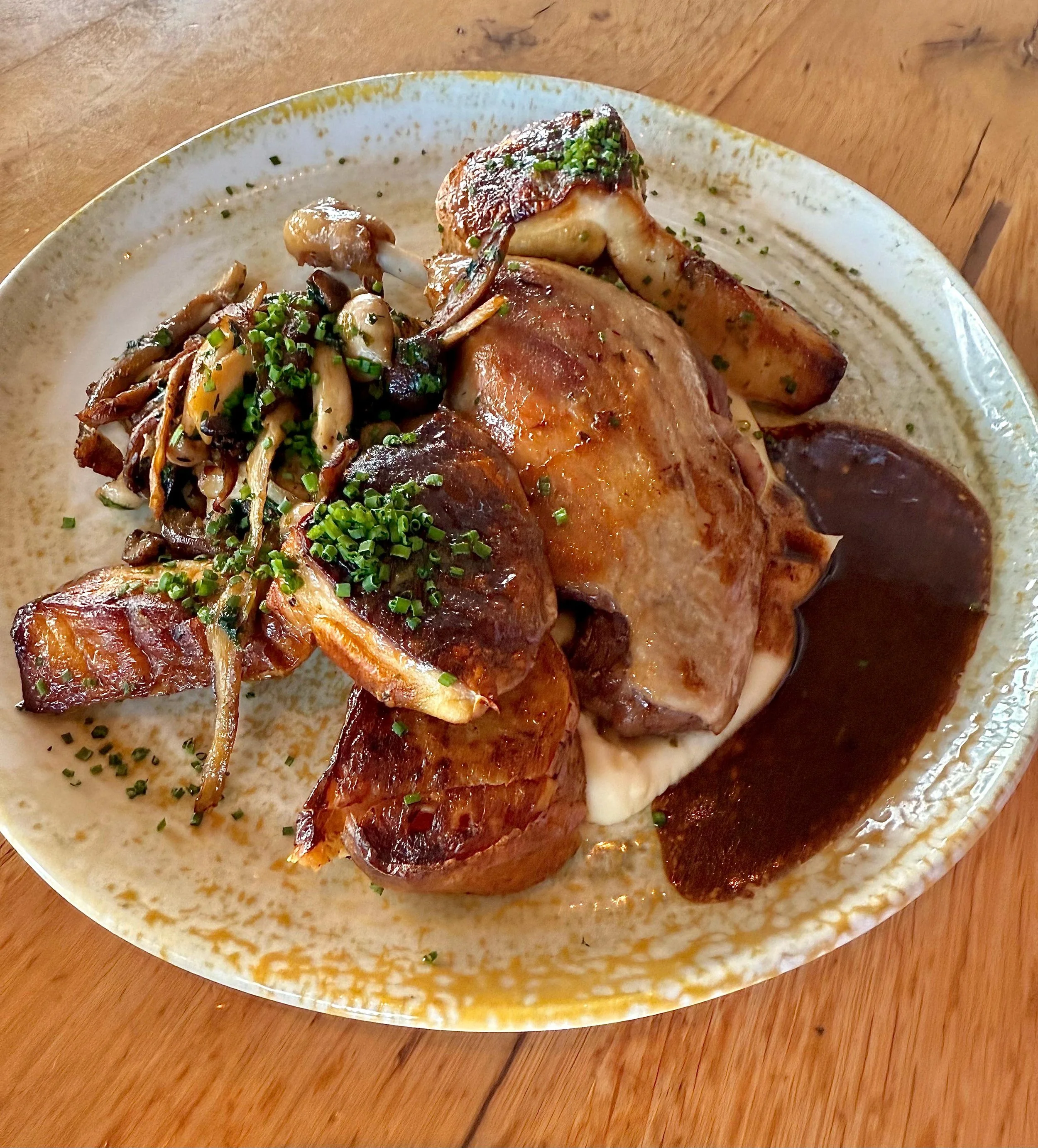
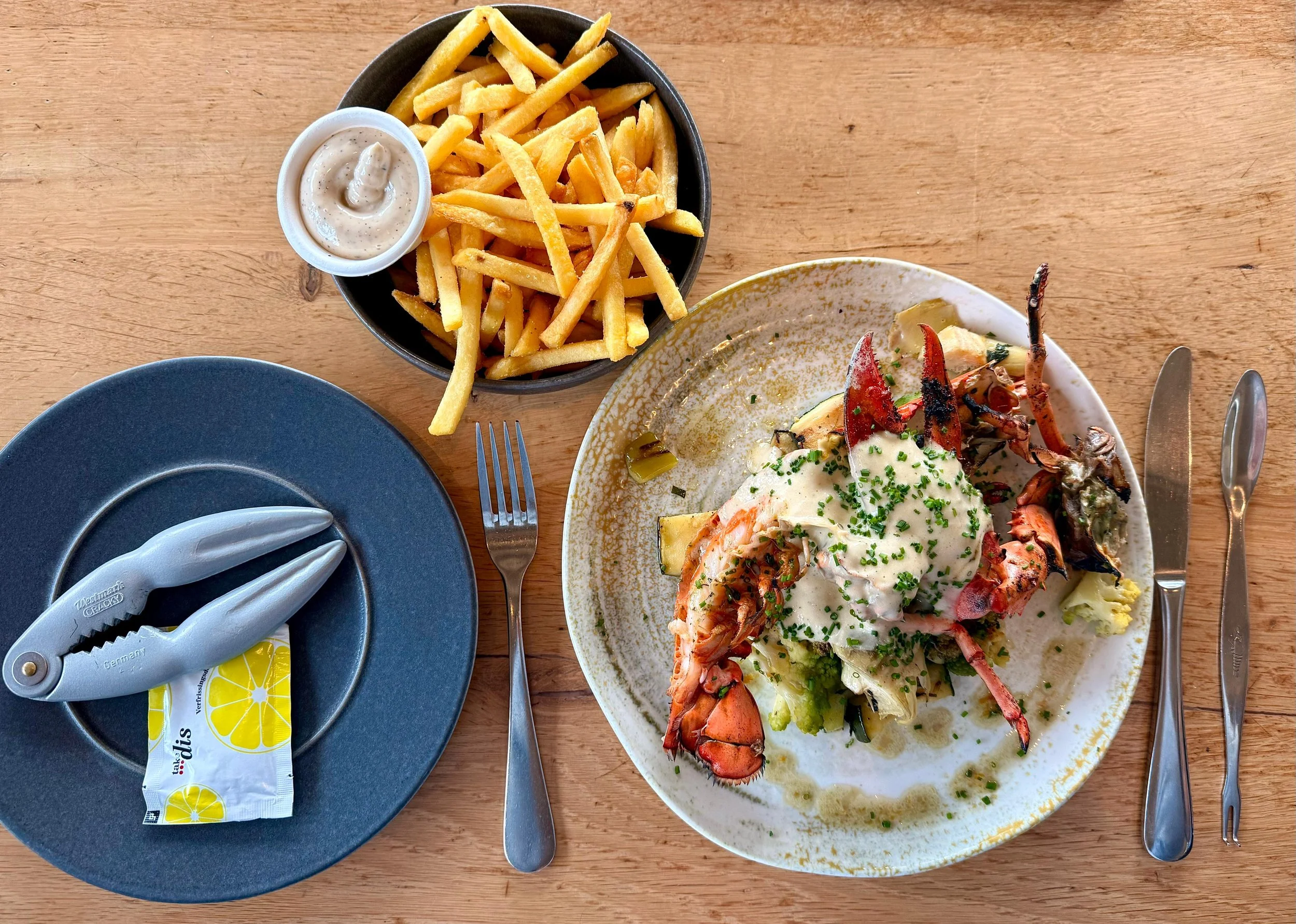
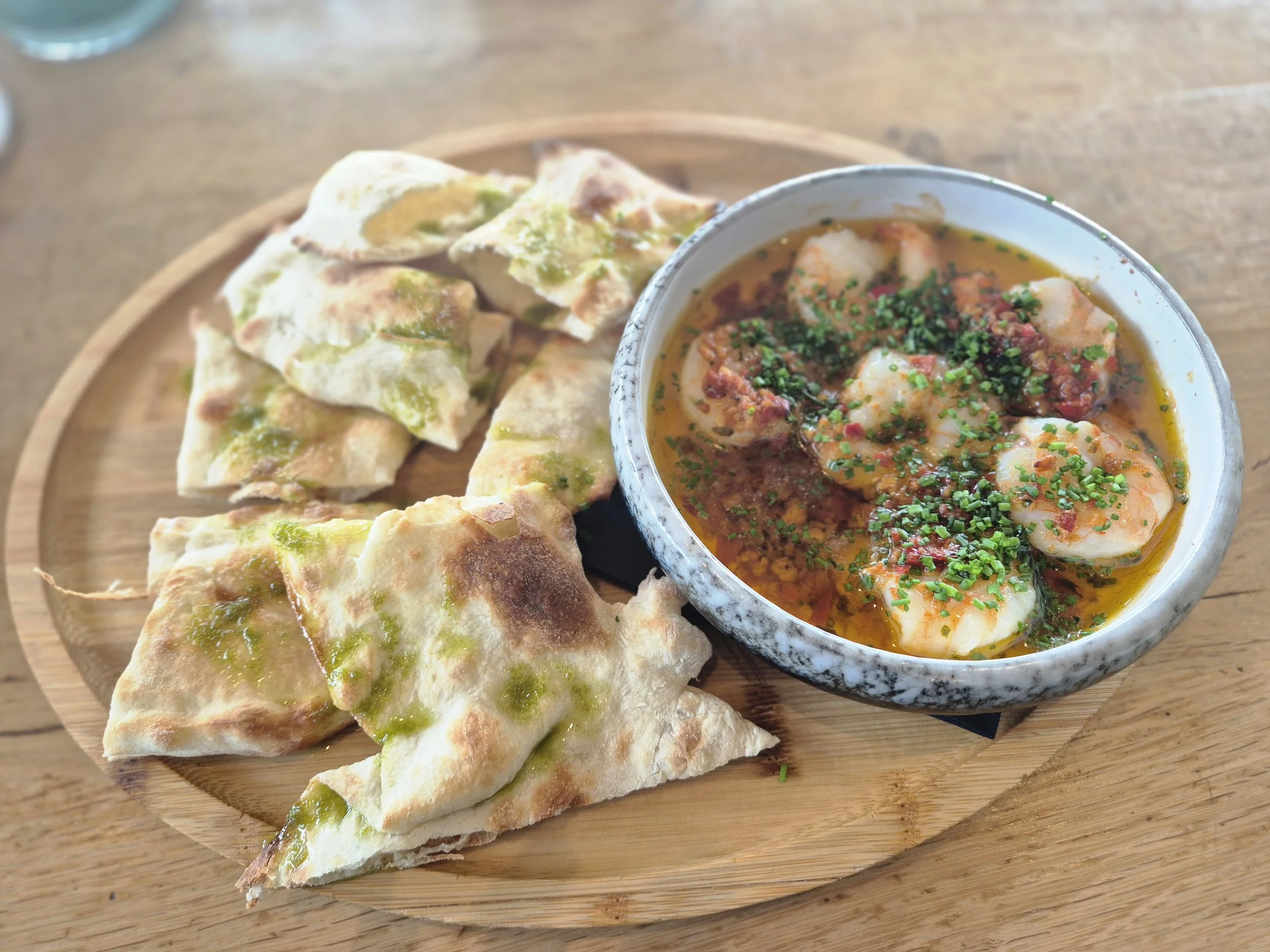
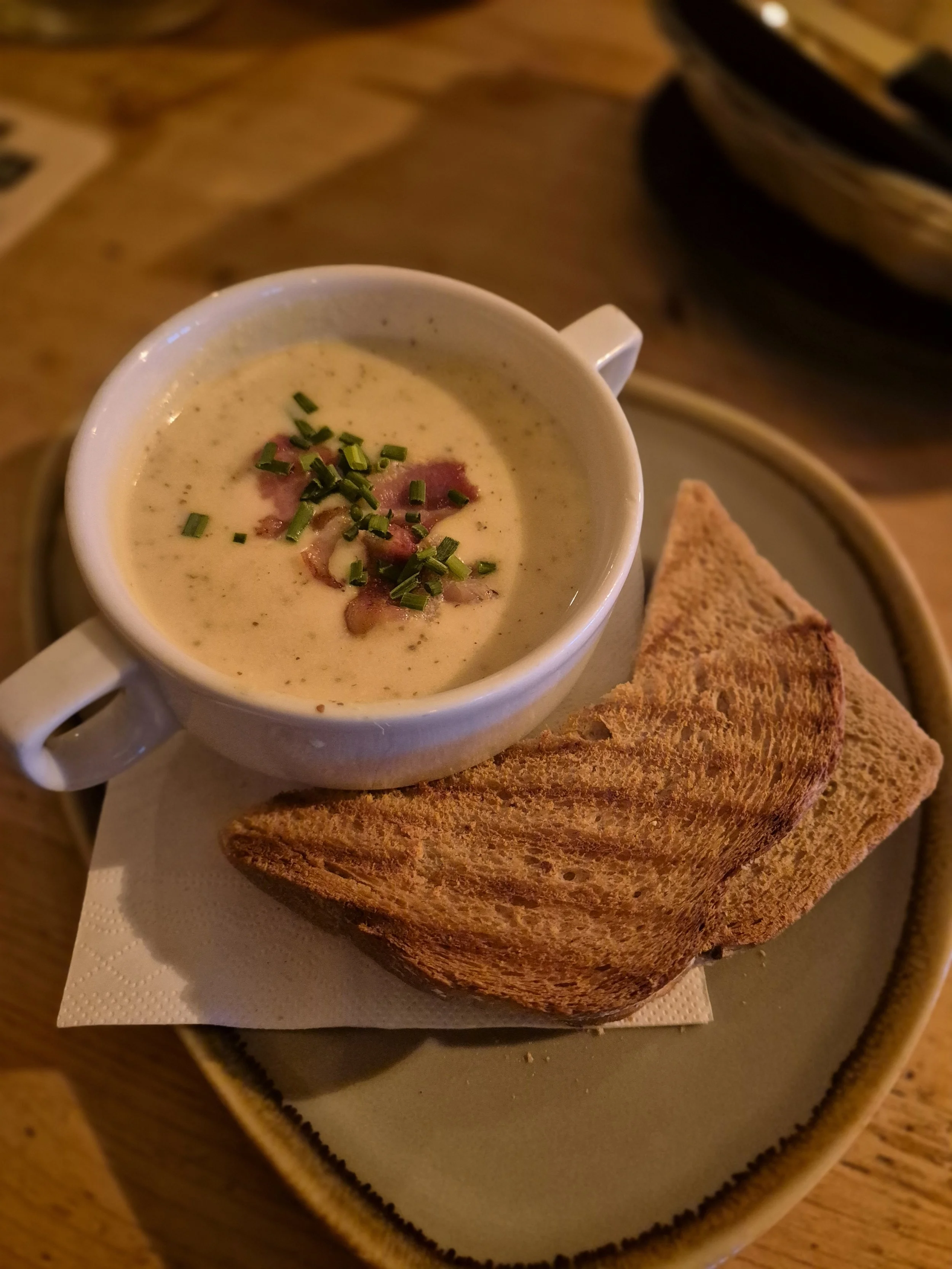
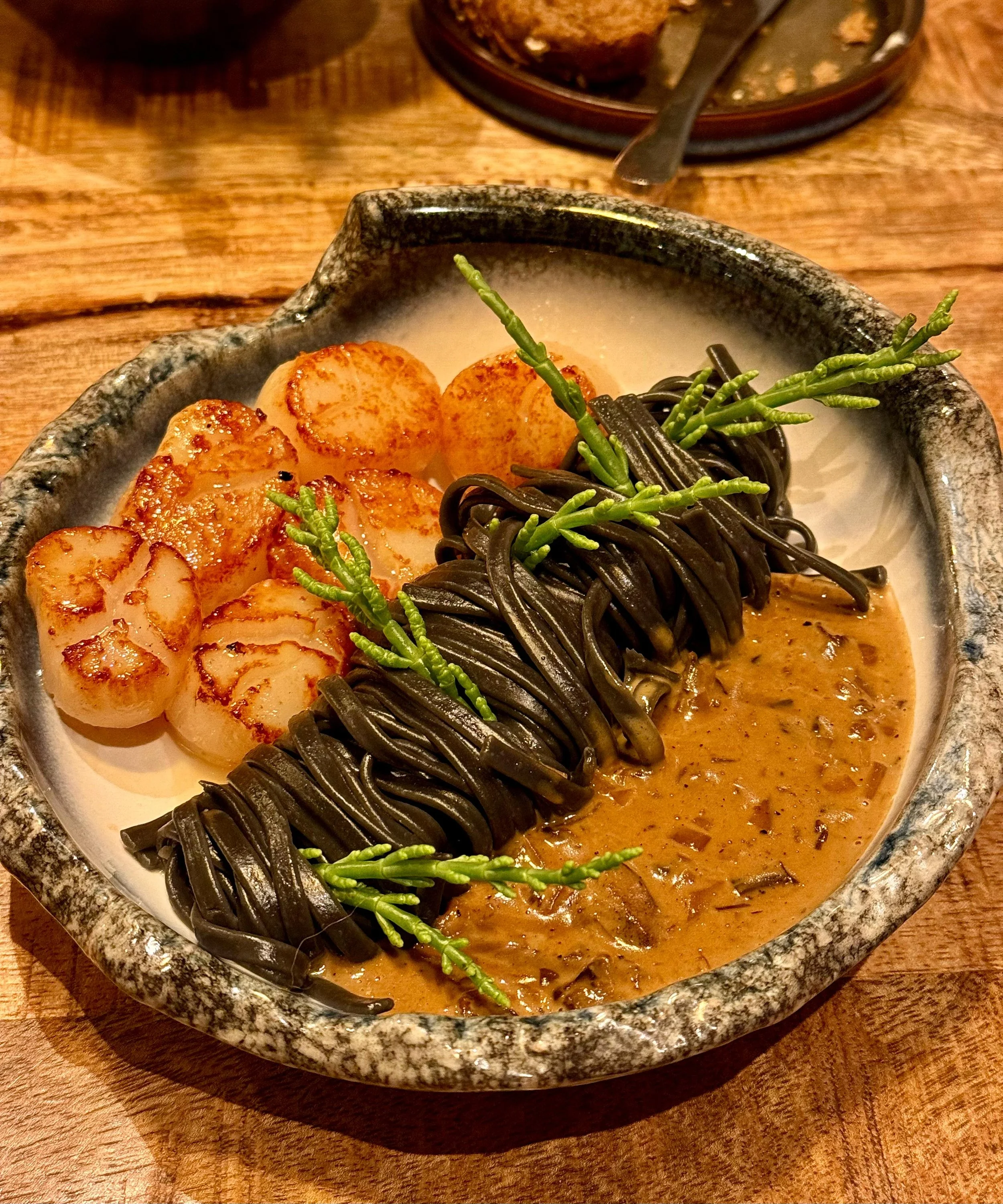
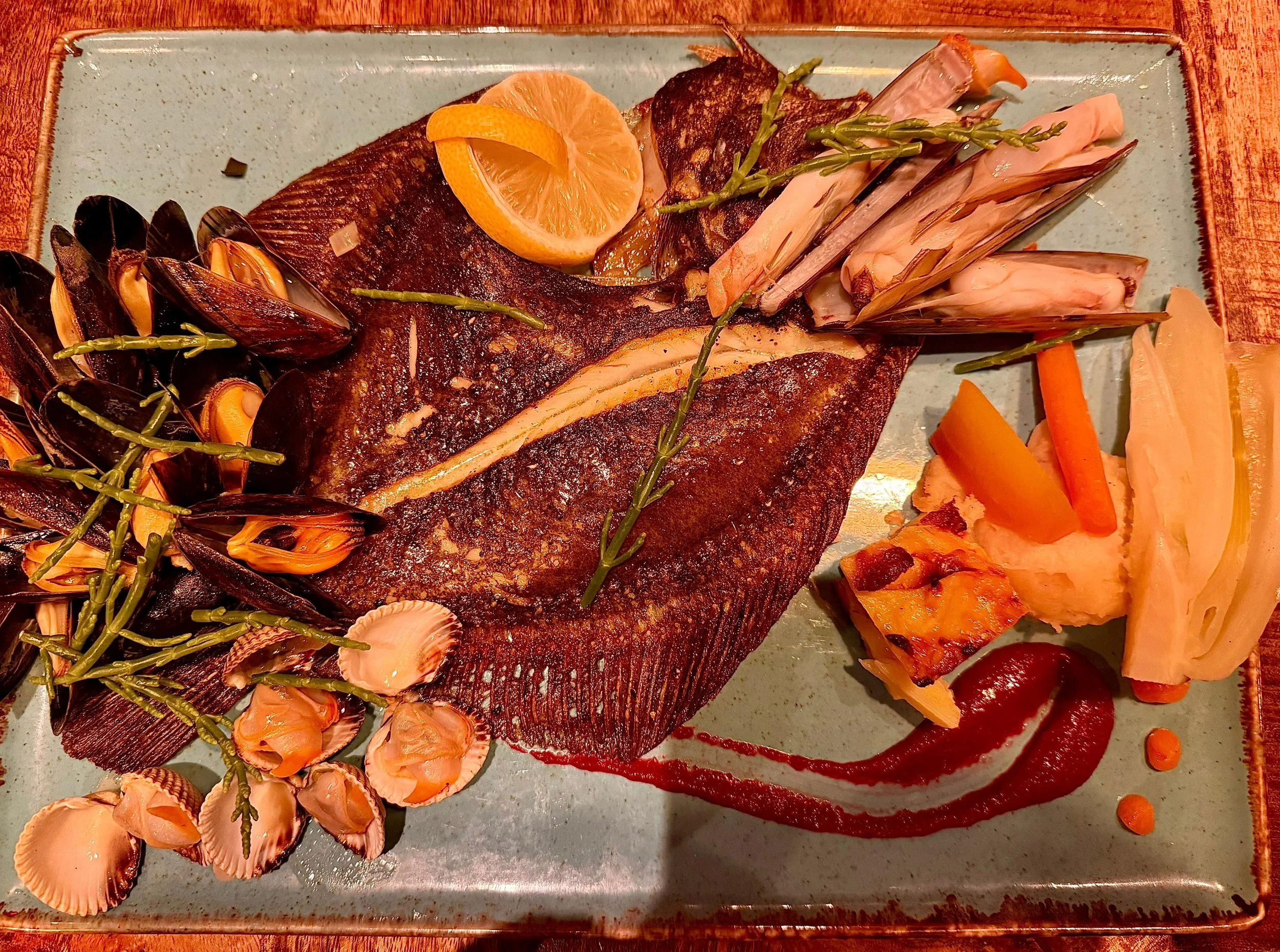
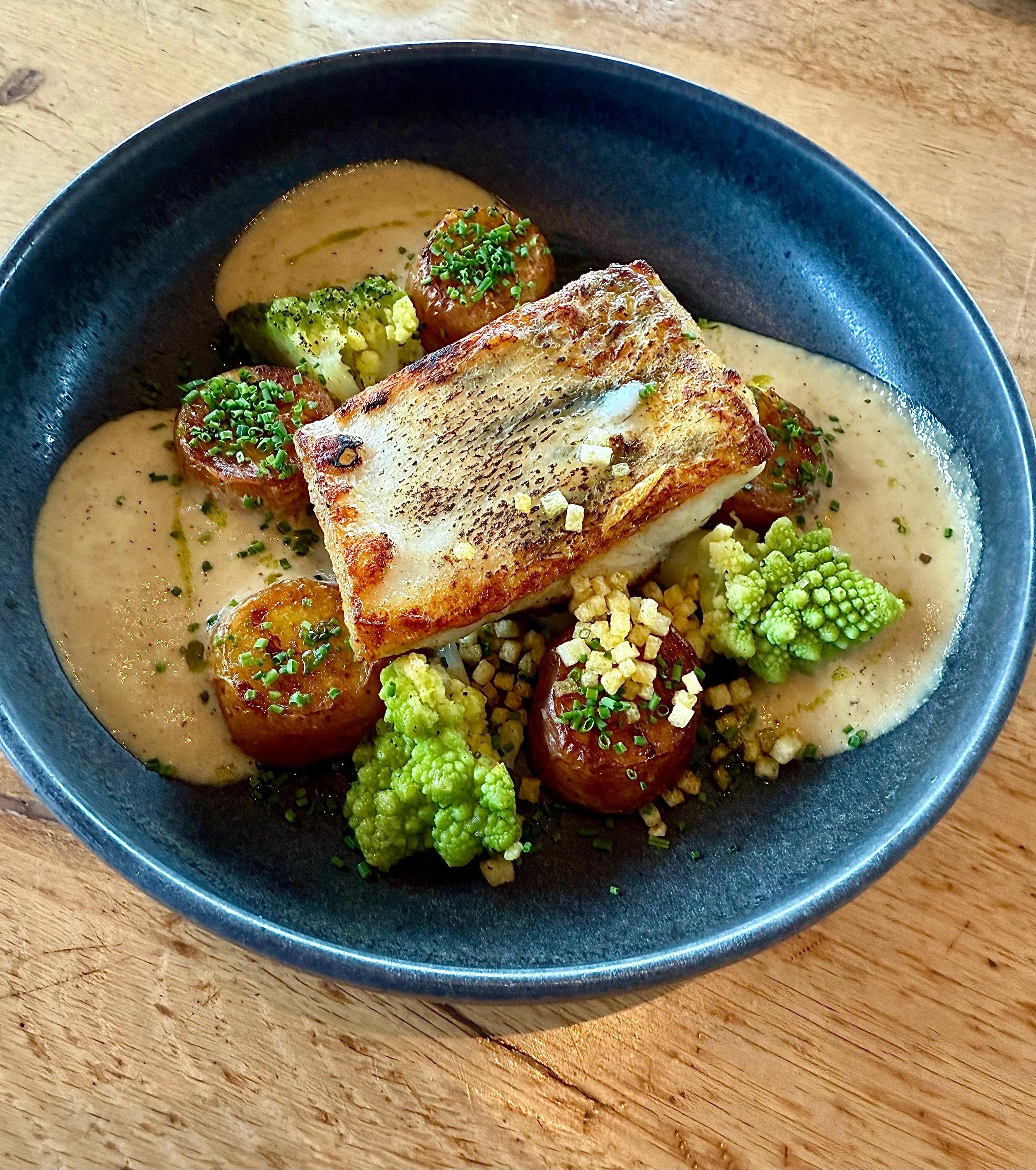
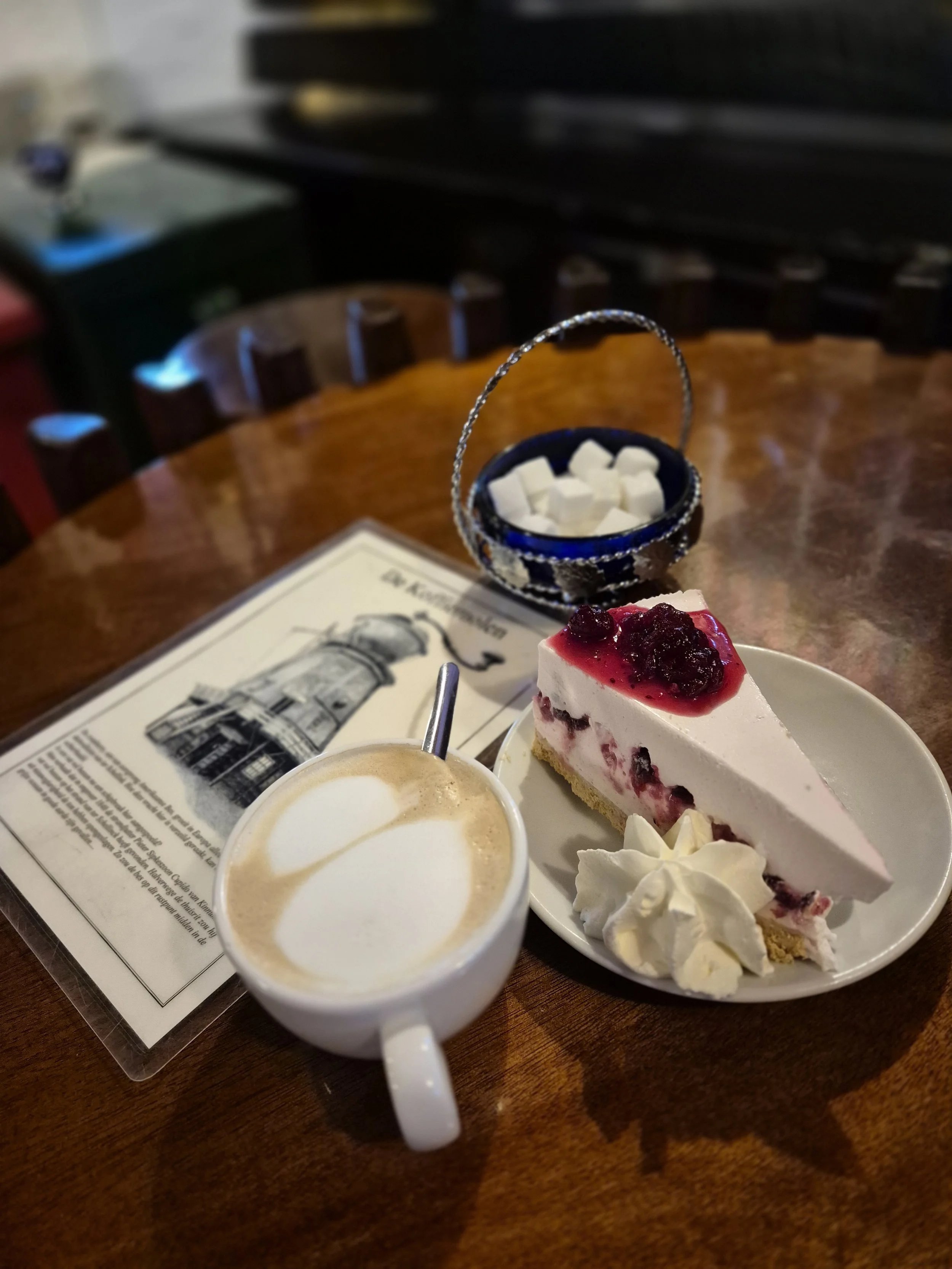
And here are images of some culinary delights in Terschelling!